
After surviving the hardships of winter, pheasants enter a period focused on breeding, nesting, and raising the next generation.
The success of this stage depends heavily on suitable habitat, abundant food, protection from predators, and the ability to overcome the challenges posed by weather and changing agricultural landscapes.
In spring, pheasants require a variety of habitat types to support courtship, nesting, and brood rearing. Ideal landscapes contain a mosaic of cropland, grasslands, wetlands, shelterbelts, and field edges. These habitats provide the structure and resources pheasants need during the breeding season.
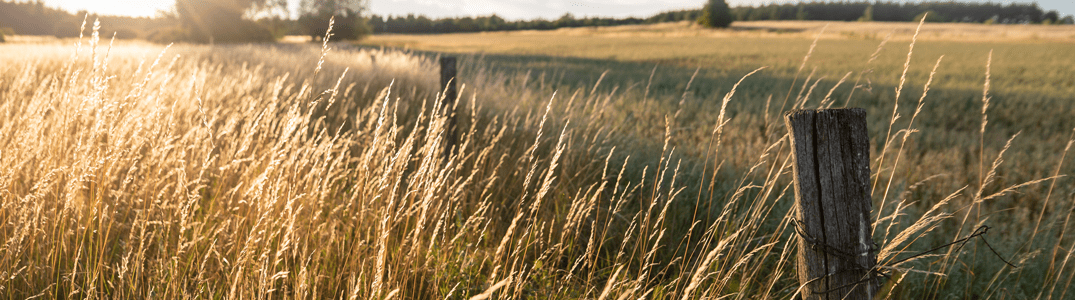
The most important spring habitat is undisturbed nesting cover. Hens typically select dense grasses or residual vegetation from the previous growing season to conceal their nests. Roadside ditches, undeveloped right-of-ways, idle field corners, hay fields, pasture edges, and conservation plantings often serve as nesting sites. Residual vegetation from the previous year is particularly valuable because it provides immediate cover before new plant growth begins.
Proximity to wetlands, irrigation canals, and grassy riparian areas is also beneficial. These locations support higher insect populations, critical for young chicks once they hatch. Shelterbelts and fencelines also provide travel corridors and protection from wind and predators.
Adult pheasants feed heavily on leftover grain from harvested fields, including wheat, barley, oats, and other cereals that remain available after winter recedes. And as temperatures warm up, insects become important. Hens preparing to lay eggs benefit from the protein provided by beetles, grasshoppers, caterpillars, ants, and other invertebrates. These nutrients help support egg production and overall health during the breeding season. Healthy grasslands and wetland edges produce the insect abundance needed for successful brood development.
Predation is a major threat to pheasant reproduction at this stage. Eggs and nesting hens are vulnerable to skunks, raccoons, foxes, coyotes and ground squirrels. Raptors may also prey on adult birds and chicks. As hens nest on the ground, concealment in grass and vegetation is their primary defense. Young pheasants are small and relatively weak flyers, making them vulnerable to both predators and birds of prey after they hatch.
Agricultural activities can create risks. Spring fieldwork, seeding, and early haying can disturb nesting habitat or destroy nests if operations occur before chicks hatch. By stopping trespass farming (read more at savetheedges.ca) we can retain edge habitats that are attractive for nesting pheasants.
Conservation efforts by Pheasants Forever play a major role in providing habitat for this vital period of the life cycle. Read more on the life cycle of ring-necked pheasants.